
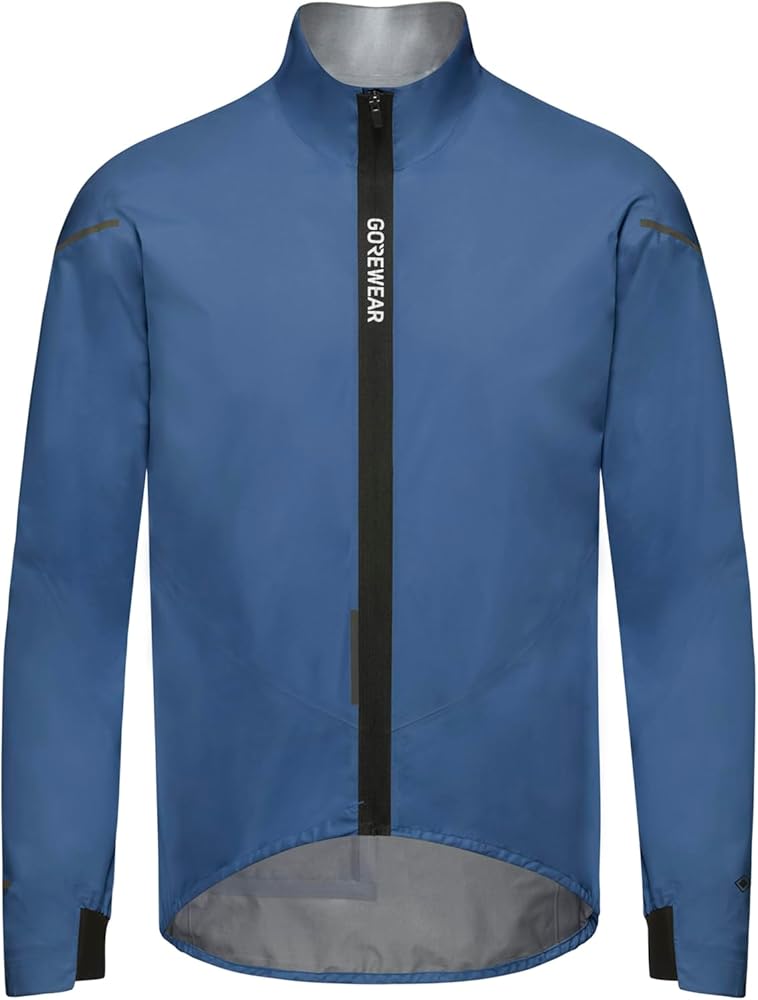
Gore Wear should have been unstoppable. With unmatched material technology, world-class distribution, and the power of the Gore name behind it, the brand had all the ingredients needed to lead the cycling apparel market. And then, just like that, it’s being discontinued.
In 2025, the Gore-Tex parent company quietly shuttered its bike-specific division. No dramatic announcement. No grand farewell. Just the silent closure of a brand that should’ve been untouchable.
It didn’t collapse because the market disappeared. It collapsed because the brand failed to adapt. This isn’t just a post-mortem. It’s a case study in how even the best-resourced players can become irrelevant when they stop listening.
The Mistakes Were Not Inevitable — They Were Repeated
The branding lacked clarity from the start.
Let’s start with the name. “Gore Bike Wear” may have sounded logical inside the company walls — but to the average consumer, it was confusing.
Was it made with Gore-Tex? Was it a generic brand with a similar name? Is it the same “Gore” from “Gore-tex”? Does every garment contain Gore-Tex? Was it performance or commuter?
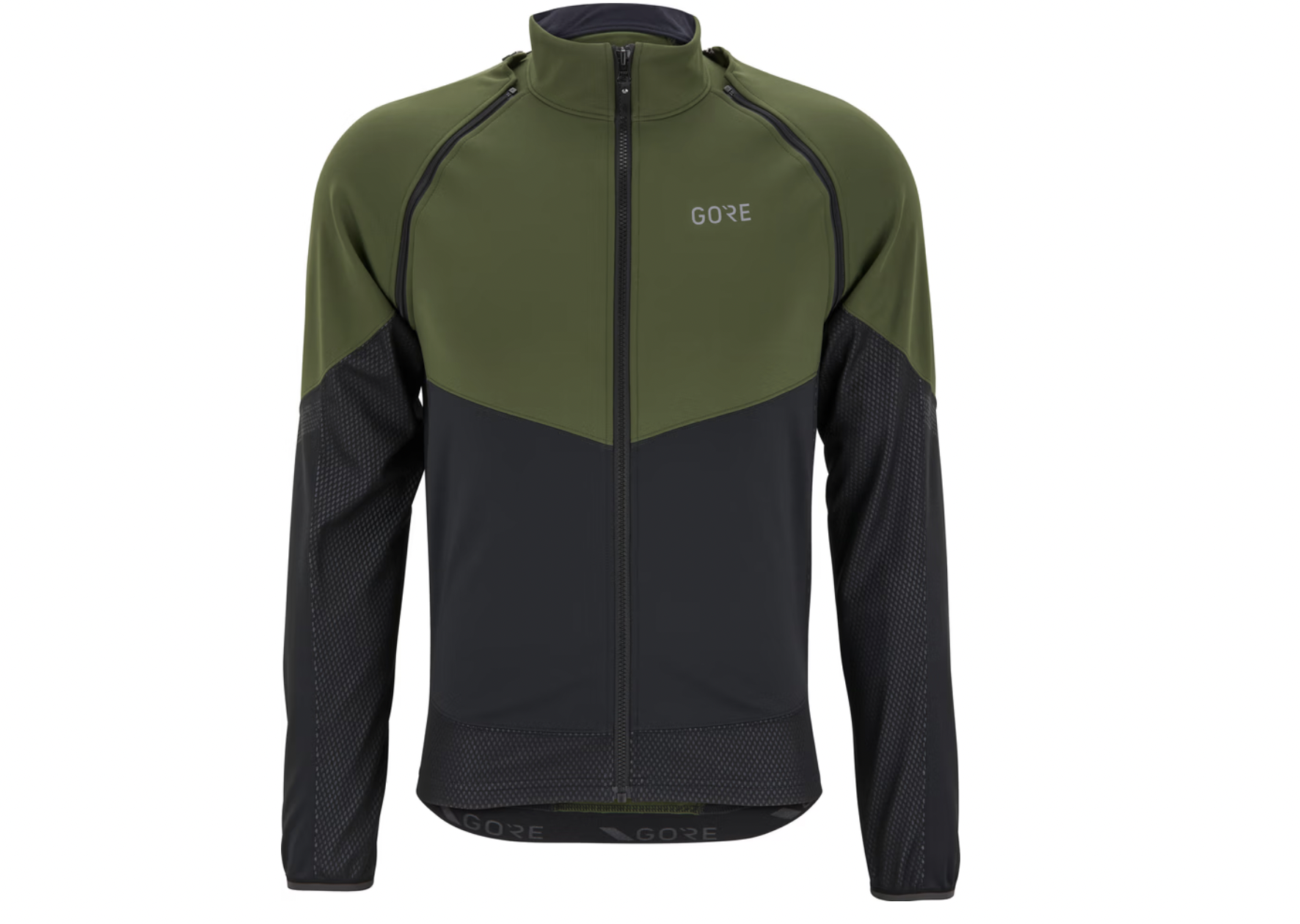
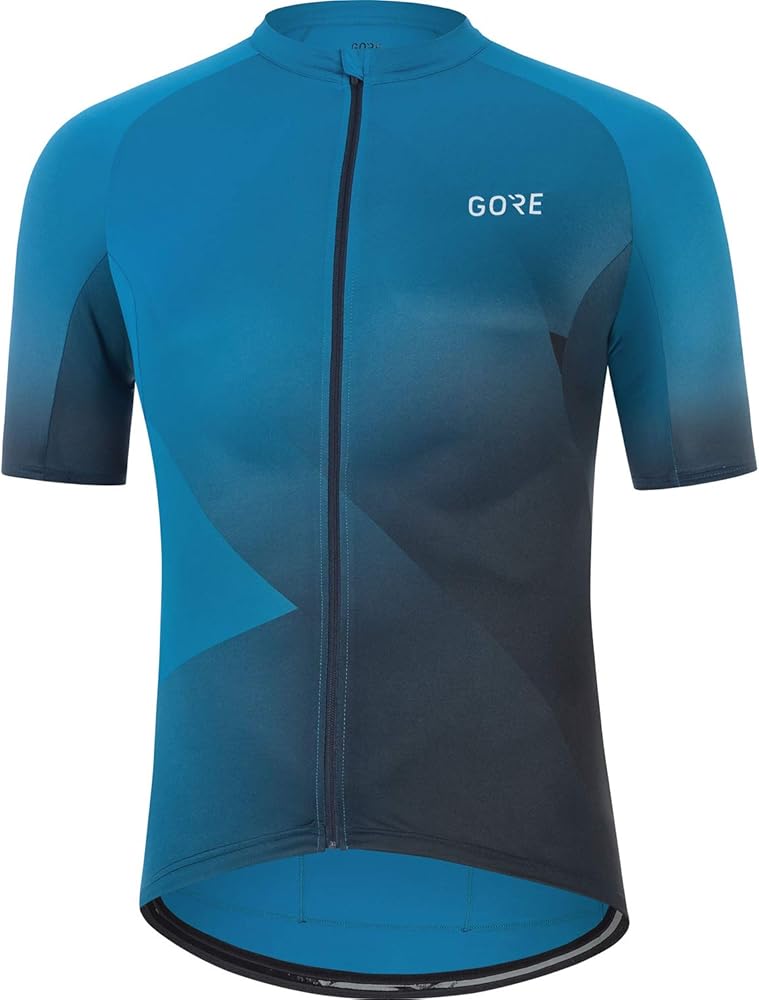
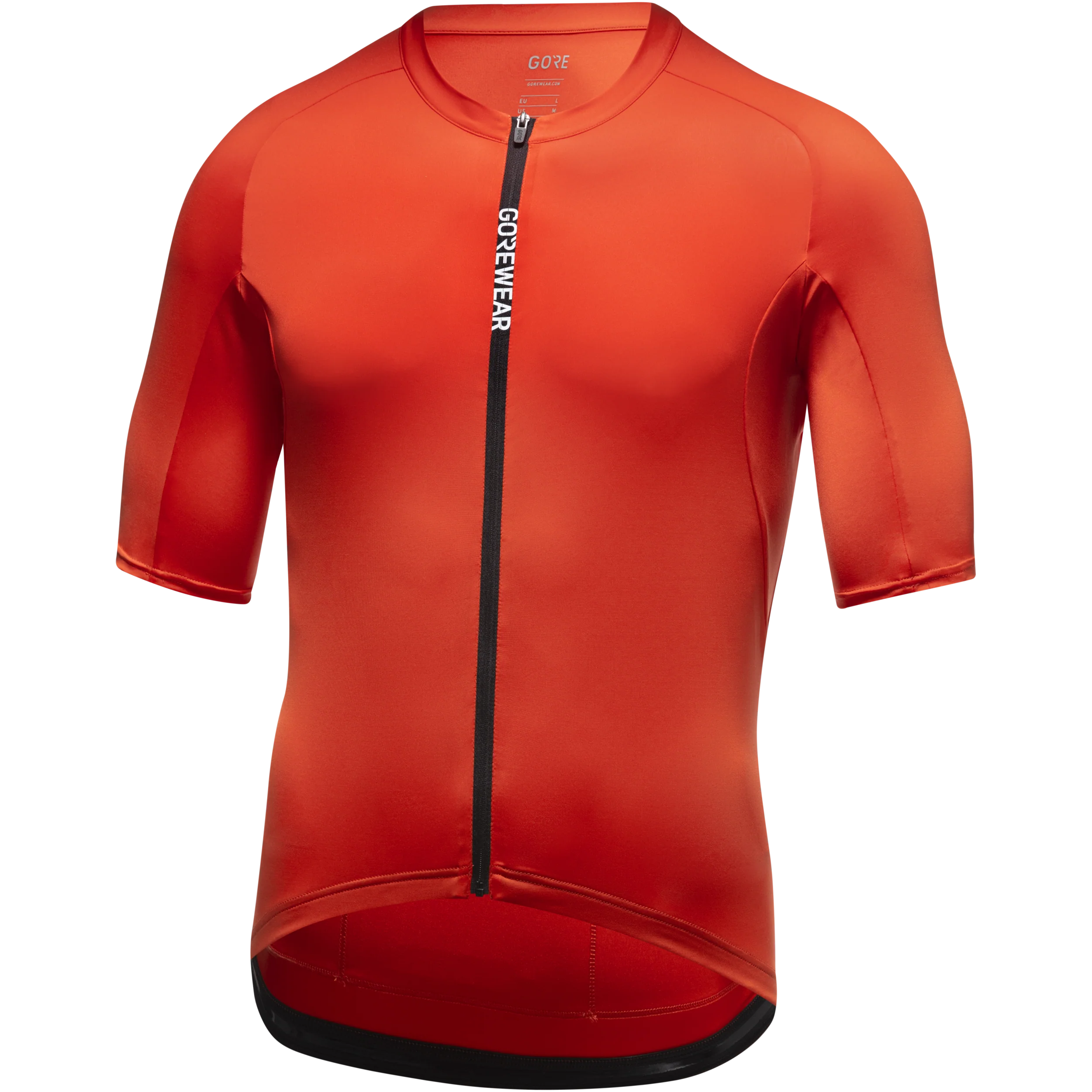
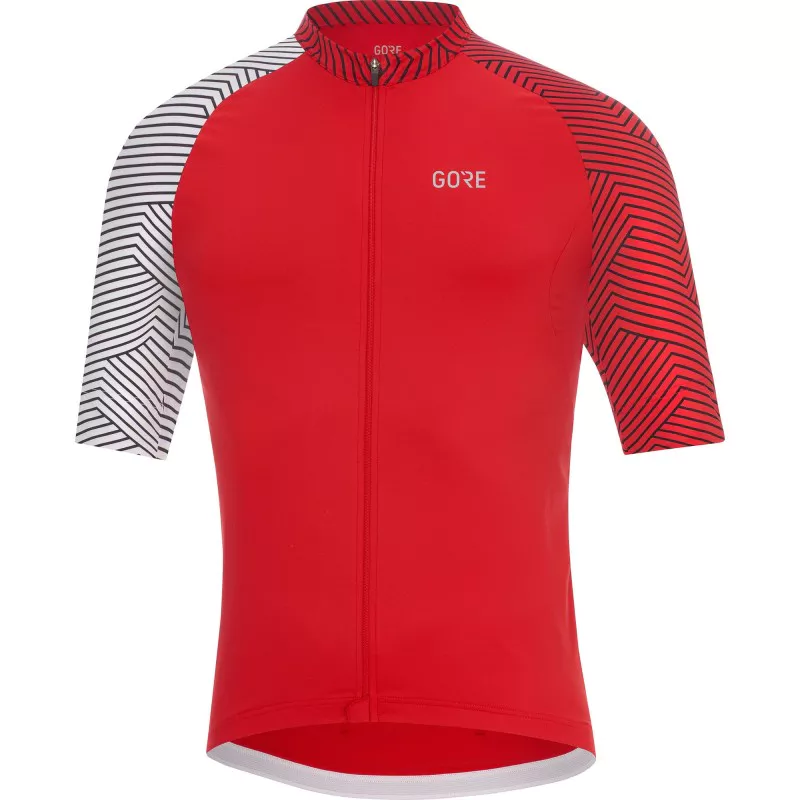
Then came the design language. While competitors like Rapha were elevating cycling fashion with sharp cuts, bold palettes, and emotional storytelling, Gore stuck to a utilitarian aesthetic that felt left over from 2009. Safe. Dull. Random and out of sync with the cultural moment.
True story— as a partner courtesy we once were allowed to order a set of kit from the website. Excited, we went to order but were disappointed to find that we couldn’t find something we would actually wear. This anecdote is mirrored across cycling—just take a look at the bike room of many brands and ask yourself why their own employees don’t use their stuff. This is a vital question many brands don’t ask themselves, and whose answer might be the most critical to the health of the brand.
Despite their incredible access to retailers — and unmatched brand recognition among outdoor consumers — Gore Bike Wear never used that advantage to evolve the product line and branding. The brand continued to release collections that just seemed to miss the mark.
What Happens When You Ignore the Market
Gore wasn’t just slow to change — it seemed proudly indifferent: Oddly placed logos and contrast panels; “safe” collections that felt more like obligations than statements; clinging to primary colour palettes years after the industry had moved on; and of course, overbranding that often made the choice this “I want to wear this functional, well-priced garment, but I don’t want to advertise it”
The recent generation of jackets incredulously did away with a two-way zip— a blasphemy to climbers and mixed-weather riders.
All in all, not always bad, but much more miss than hit.
But in a world where cycling is no longer niche, where aesthetics and story have mattered for a decade, Gore needed more than a good membrane and a zipper. Riders needed to be stylistically on point. Gore may have offered function — but not feeling.
Their few attempts to modernize (e.g., shifting to “Gore Wear” in 2017 instead of “Gore Bike Wear”) was more a nod to extending the product line to running than an attempt at branding — and without the kind of bold rebrand or campaign needed to reset public perception.
This Didn’t Have to Happen
What makes Gore Wear’s exit so tragic is that it didn’t need to happen at all. They had what so many brands dream of:
- Massive retail distribution
- Global name recognition
- A reputation for technical excellence
- Access to one of the most trusted materials in outdoor performance
What they lacked was vision.
What they resisted was culture.
What they ignored were trends.
If they had partnered with the right creative directors… if they had listened to the cycling scene… if they had taken even a few risks — Gore Bike Wear could have been the premium name in technical apparel in cycling.
Instead, they played it safe, which is ironically one of the biggest risks a brand can take.
The Lesson for All of Us
Gore Bike Wear’s fall isn’t just about one brand. It’s about what happens when legacy companies compromise too much.
It’s a warning to all technical brands that performance alone isn’t enough. That function doesn’t sell without emotion. That design matters. And that you can’t expect relevance by just being available, you have to belong.
Because in today’s cycling world, taste matters. Personality matters. Story matters. And yes, the right features matter, too. And if you don’t tell your story, someone else will — or worse, no one will.
What Might Have Been
Gore could have been the Arc’teryx of cycling. The brand that married deep technical prowess with a sharp cultural edge.
They could have taken the aesthetic of road and gravel apparel to new places. They could’ve collaborated with forward-thinking teams, designers, even artists. They could have reinvented the language of technical wear.
They didn’t.
And that is the real loss.
If you’d like strategic insights like this for your brand — fresh eyes, honest critique, and clear opportunities —
get in touch. The first consultation is free.